What’s New In Ornithology?
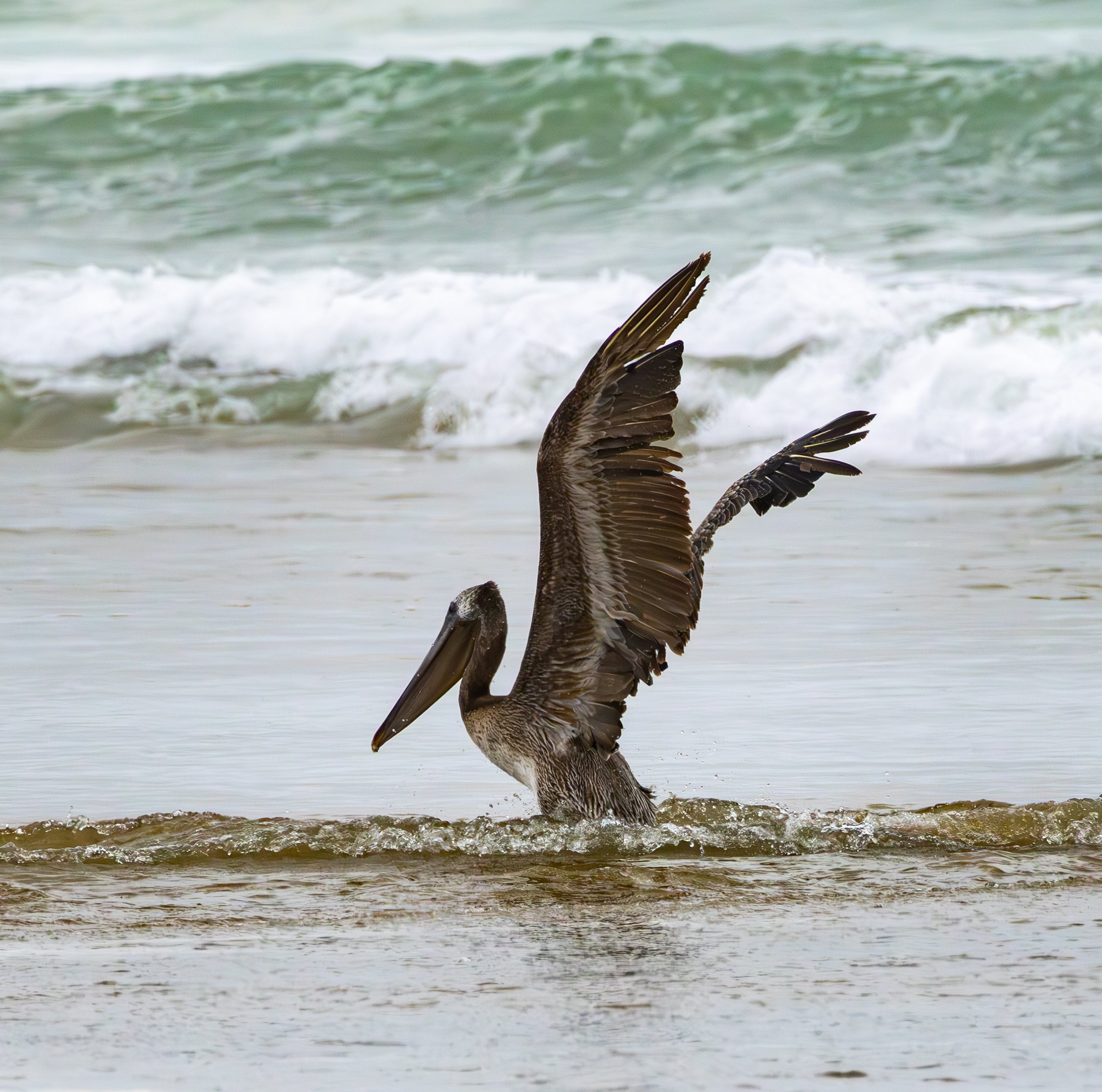
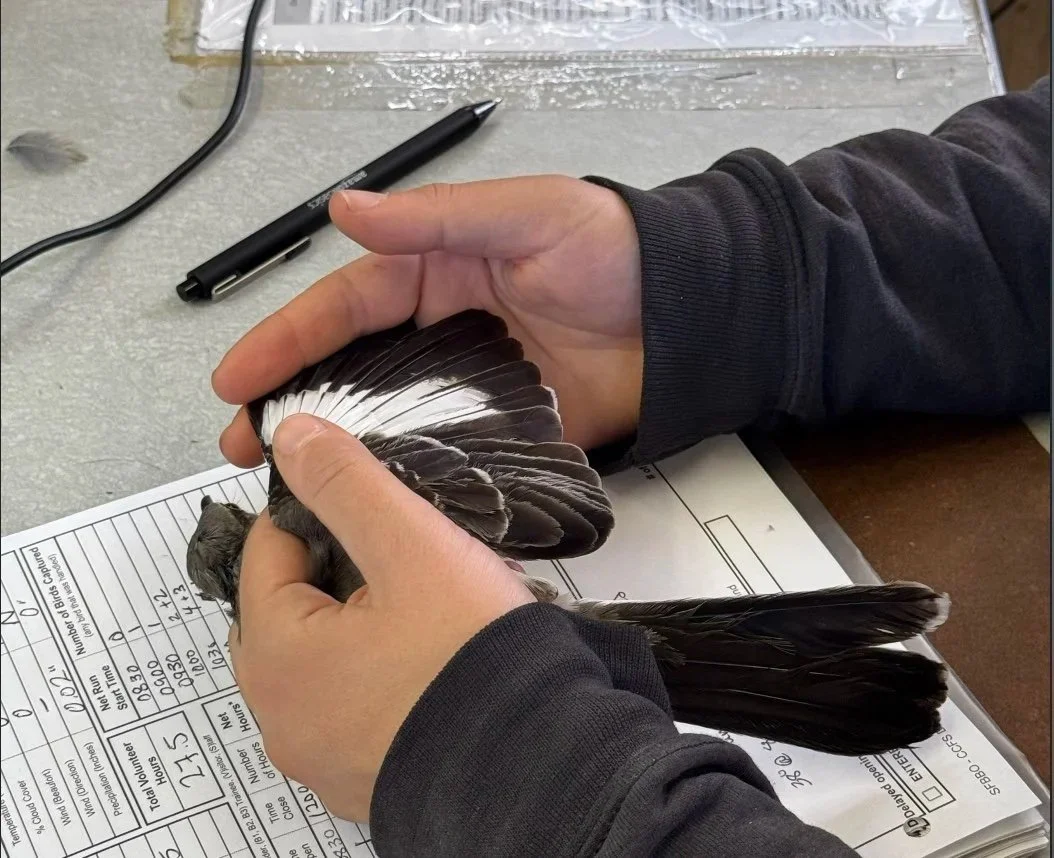
Left: A Brown Pelican (Pelecanus occidentalis) stretches its wings in the surf at Año Nuevo State Park. Right: A volunteer with the San Francisco Bay Bird Observatory checks the primaries of a Northern Mockingbird (Mimus polyglottos) mistnetted at the Coyote Creek Field Station (CCFS).
Photo credit: Maya Xu.
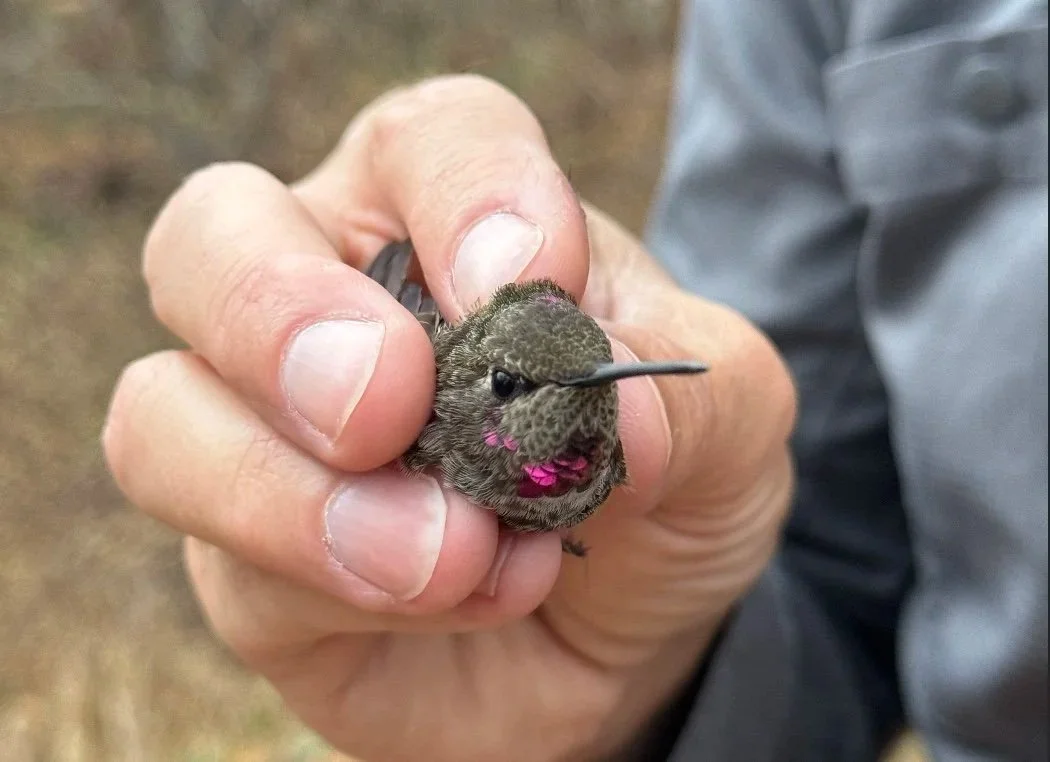
A volunteer at CCFS holds up an Anna’s Hummingbird (Calypte anna).
Photo credit: Maya Xu.
Birds are some of the best-studied organisms in the world, but this means that every day, there’s a flood of papers that come out all over the world!
We’ve started this page as a way to filter through this literature for you, and to feature the publications of:
Researchers from the SOAR network
Research featuring new findings on California birds
Avian research that’s just incredible, regardless of geographic location!
May 2026 Updates
Featured Paper of the Month:
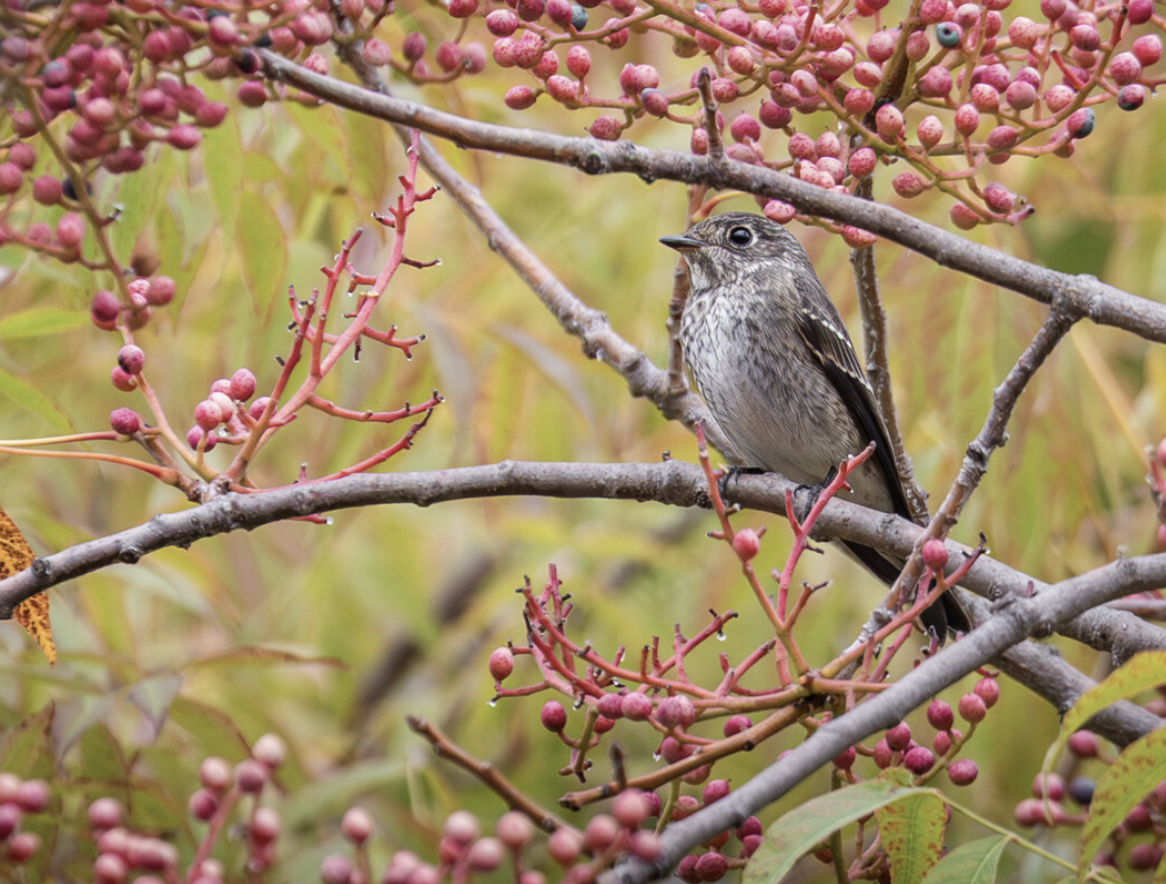
First Record of Dark-sided Flycatcher (Muscicapa sibirica) for Temperate North America: Intercontinental Vagrancy and Migratory Misorientation
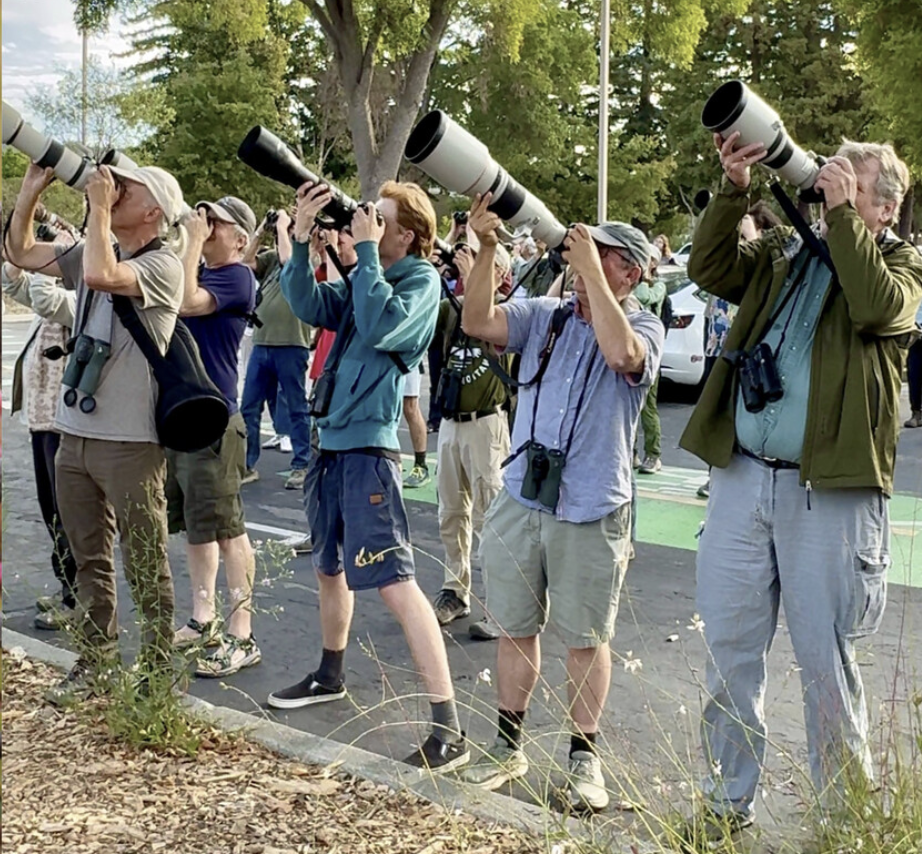
Photo documentation of California and temperate North America’s first Dark-sided Flycatcher (Muscicapa sibirica) in Mountain View, California (above) and the hundreds of birders who flocked to see it from all over the country (right).
Photo credit: Michael Long (top), Chris Henry (right)
SOAR member and lead author Marty Freeland, as well as SOAR PI and senior author Rodolfo Dirzo, and SOAR member Maya Xu, detail the occurrence of a Dark-sided Flycatcher(Muscicapa sibirica) in a parking lot at the Mountain View Google campus from September 17-19, 2025, establishing the first record of this species and genus for California and temperate North America. The bird was determined to be from the nominate subspecies, belonging to highly migratory populations that breed in northeast Asia. The authors evaluate potential mechanisms for the bird’s arrival, including reversal and mirror-image misorientation among other explanations within the little-studied field of avian vagrancy.
Research from the SOAR Network
Here, we’ve compiled recent papers published by SOAR-affiliated researchers. Click on the dark blue buttons to read each publication!
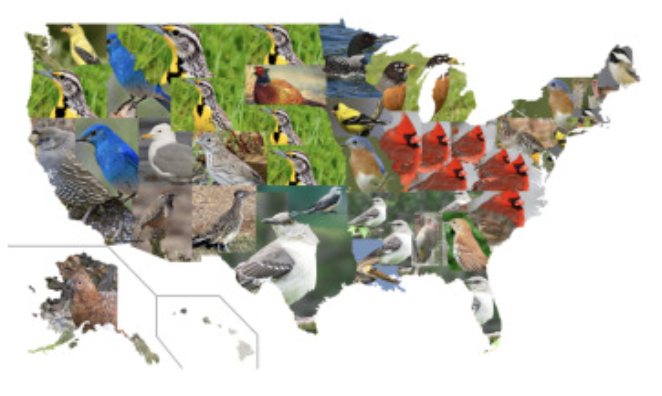
Luna and McFadden (2026) on implications of limited access to US state birds based on racial disparity
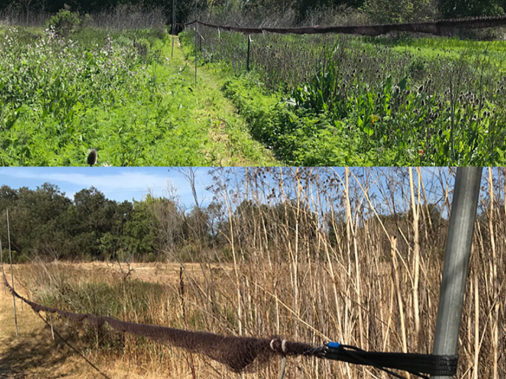
Tattoni et al. (2025) on long-term passerine moult phenology in a Mediterranean climate
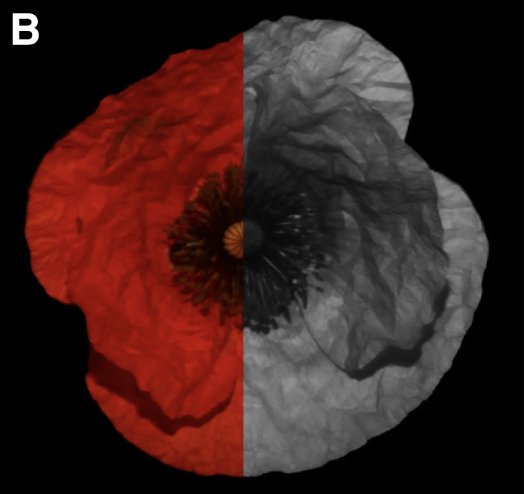
León-Osper et al. (2025) on red floral UV pigments attracting birds and deterring bees
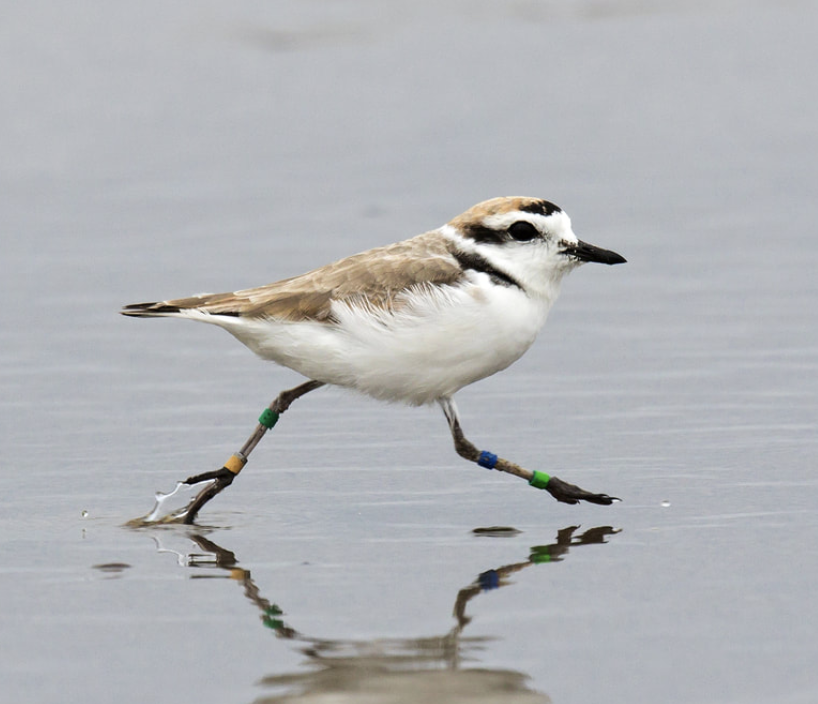
Haile et al. (2025) on Western Snowy Plover breeding dispersal post-nest failure
Exciting New Research on California Birds
SOAR is just one of many initiatives in California conducting amazing studies about our state’s birds. Click the buttons to read each publication!
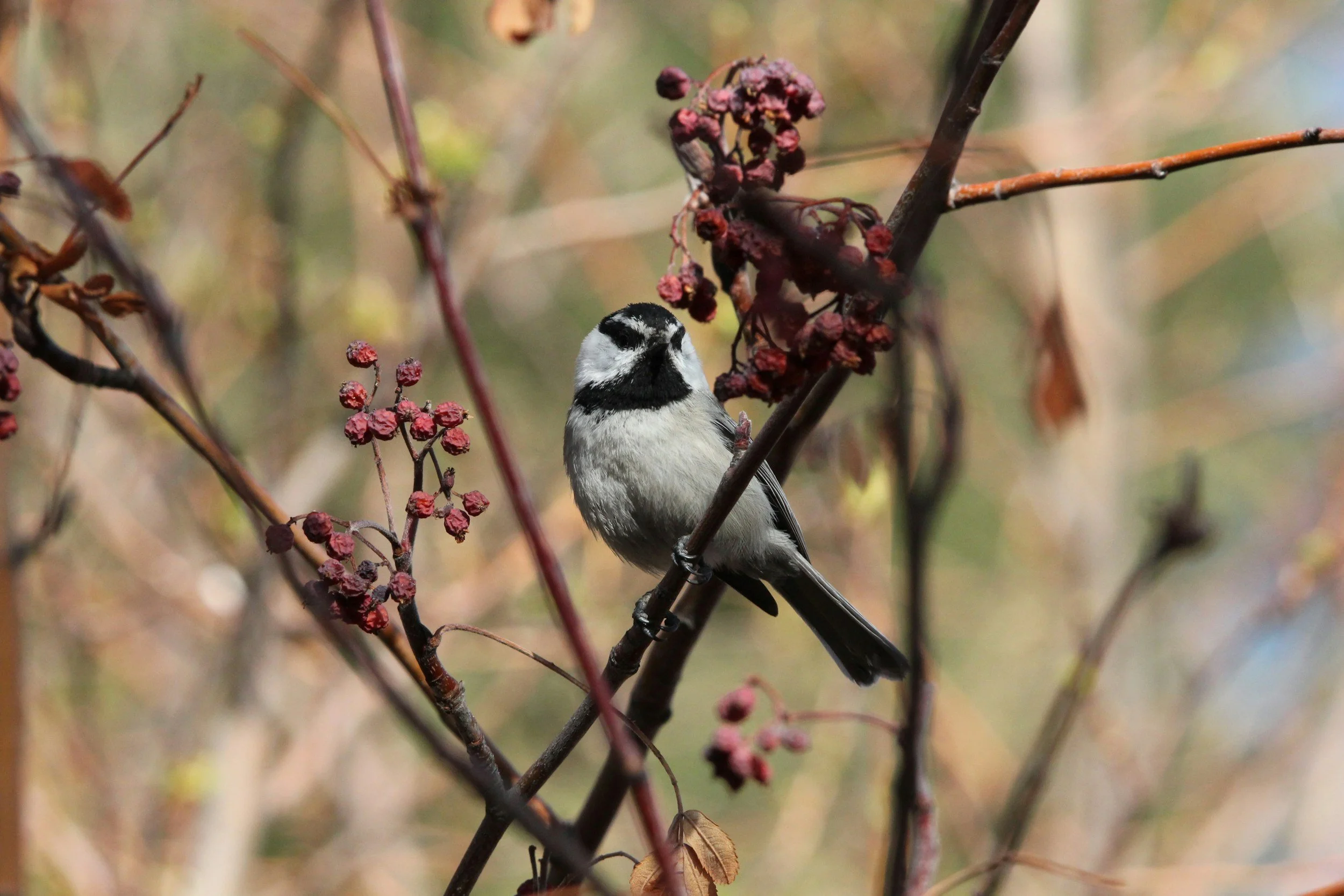
Ray et al. (2025) on fire boosting arboreal avian populations in the Sierra Nevada
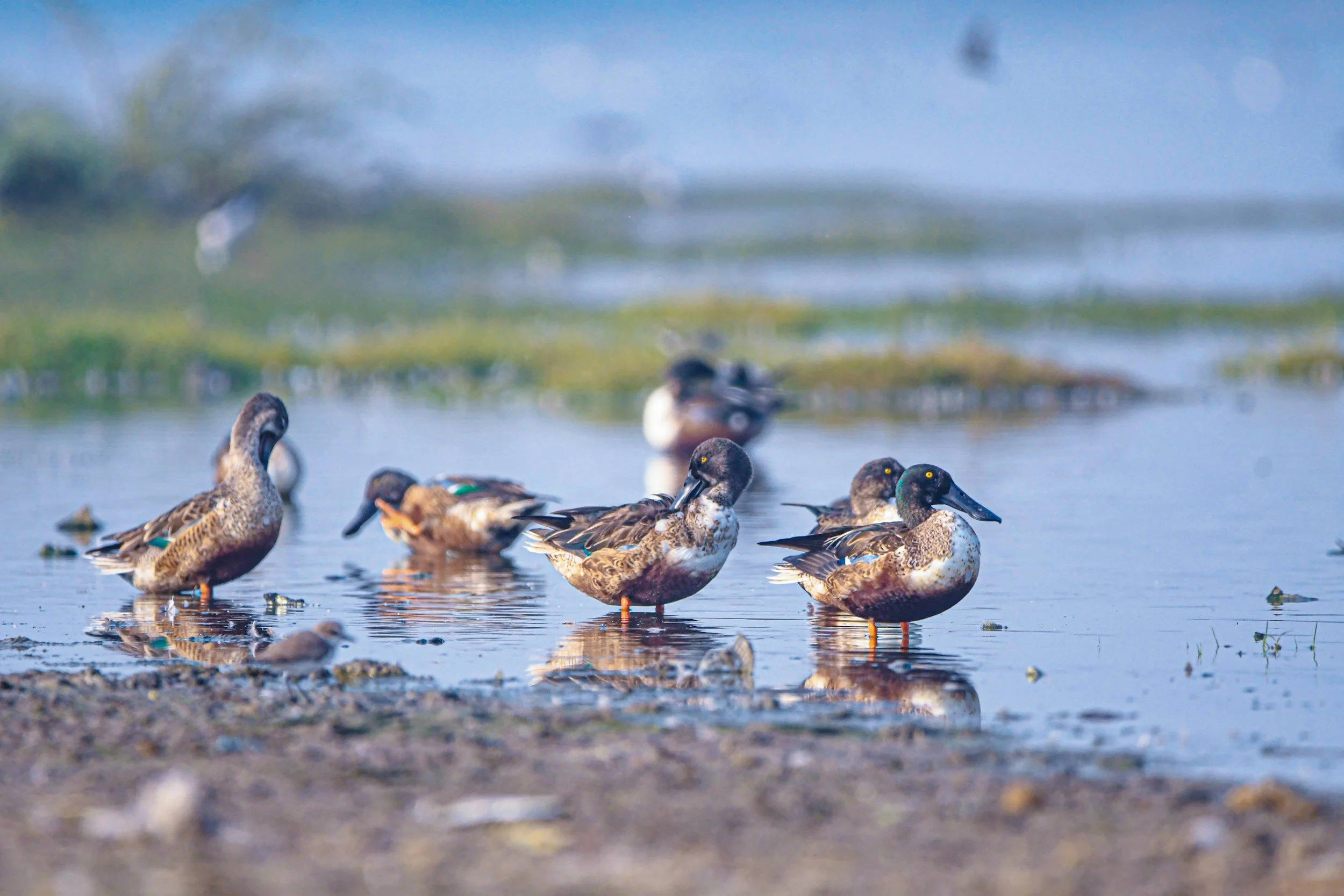
Hartman et al. (2025) on habitat factors informing the success of the California Waterbird Habitat Program

Clapp et al. (2025) on the impact of introduced trout on the Sierra Nevada bird community
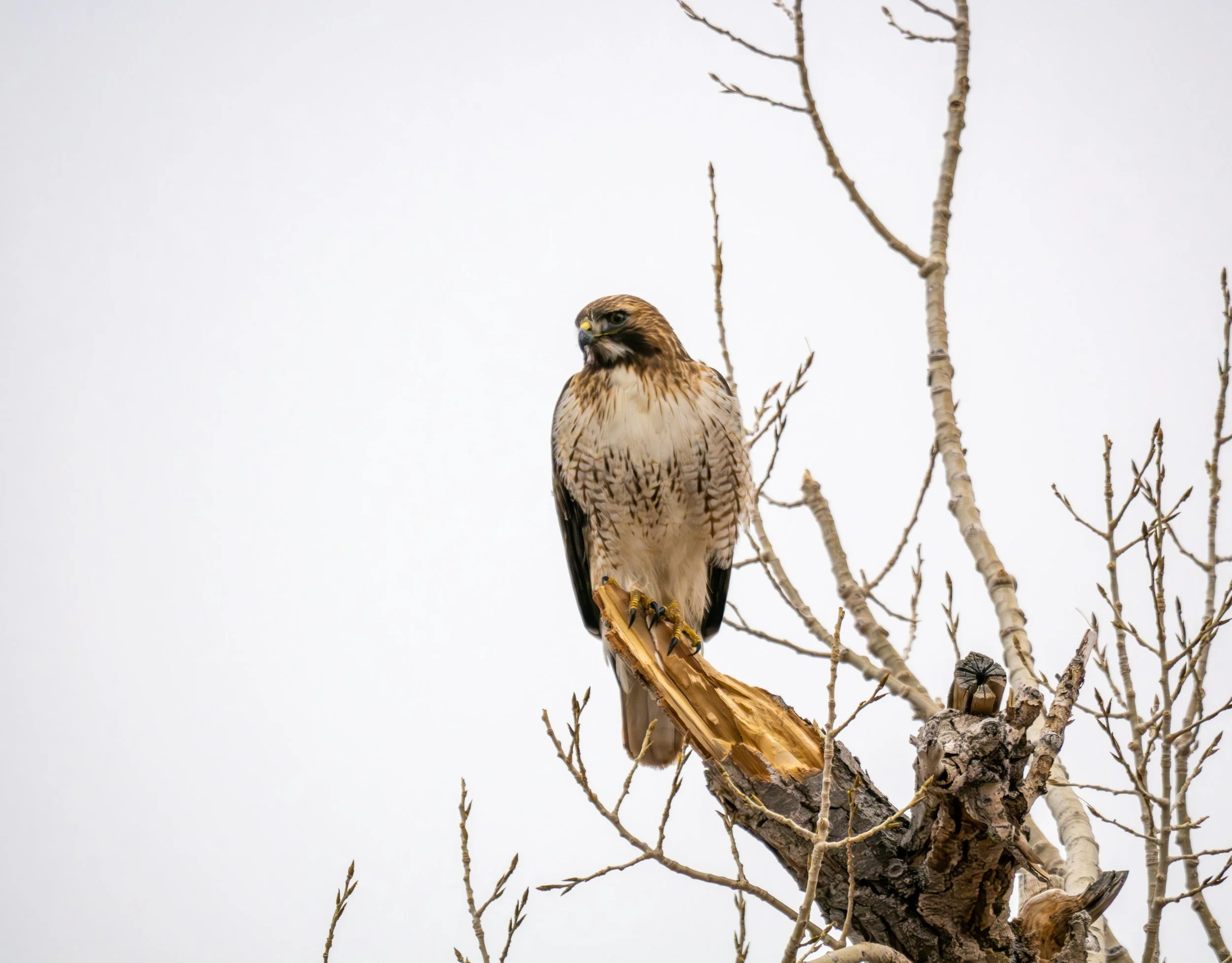
Hillier-Weltman et al. (2025) on native shrub density impacts on bird communities in California's southern drylands
New Bird Research Across the Globe!
Amazing ornithological research is published every day by research teams across the world. Click on the dark blue button to read each publication!
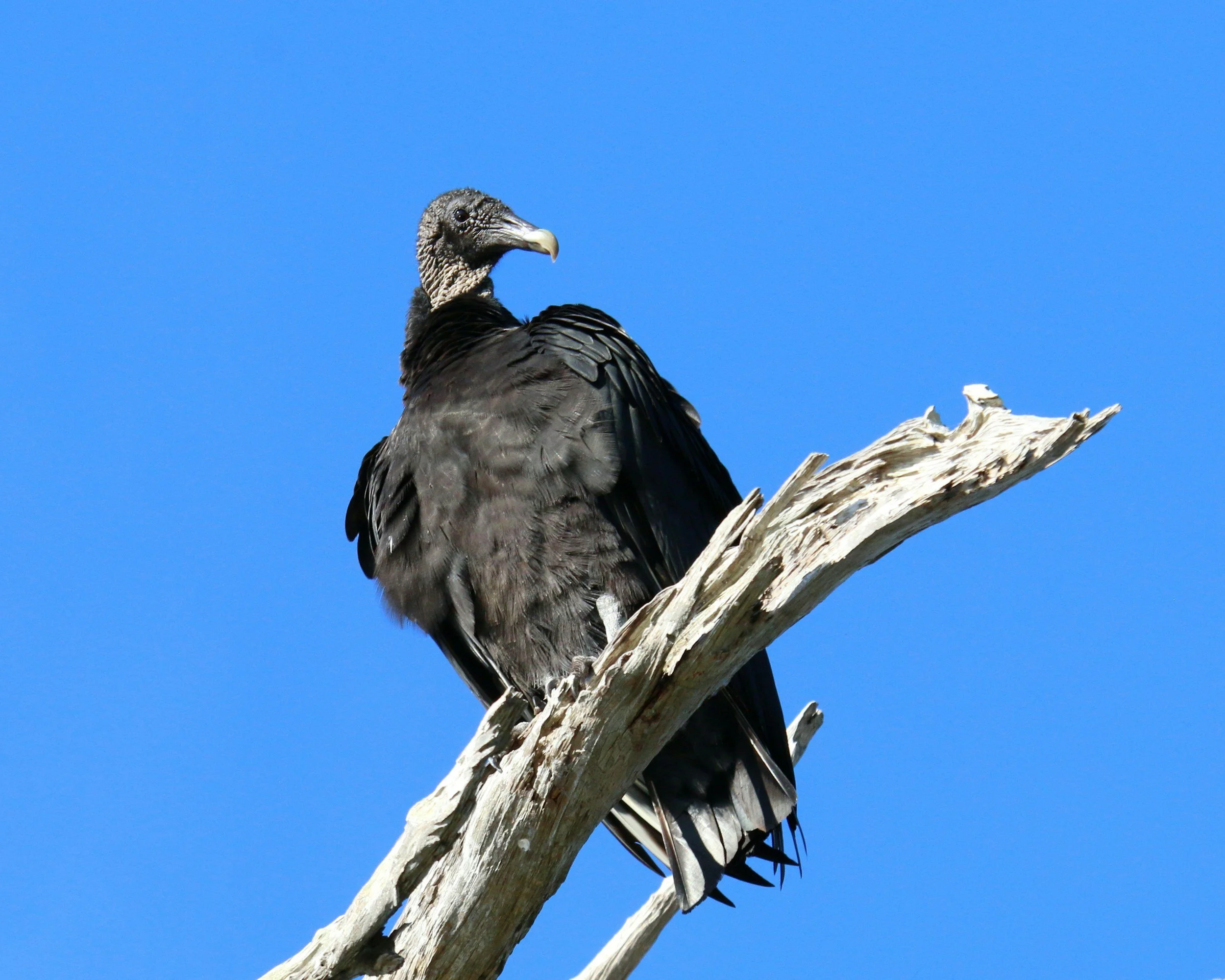
Nemeth et al. (2026) on black vulture vulnerability to highly pathogenic avian influenza
Sierra-Morales et al. (2025) on Short-crested Coquettes
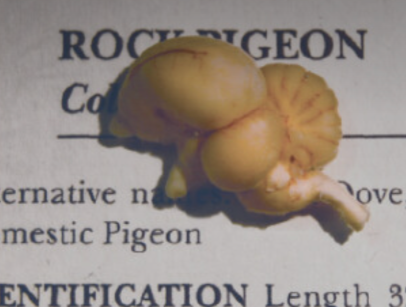
Nordmann et al. (2025) on magnetic sensing in pigeon brains
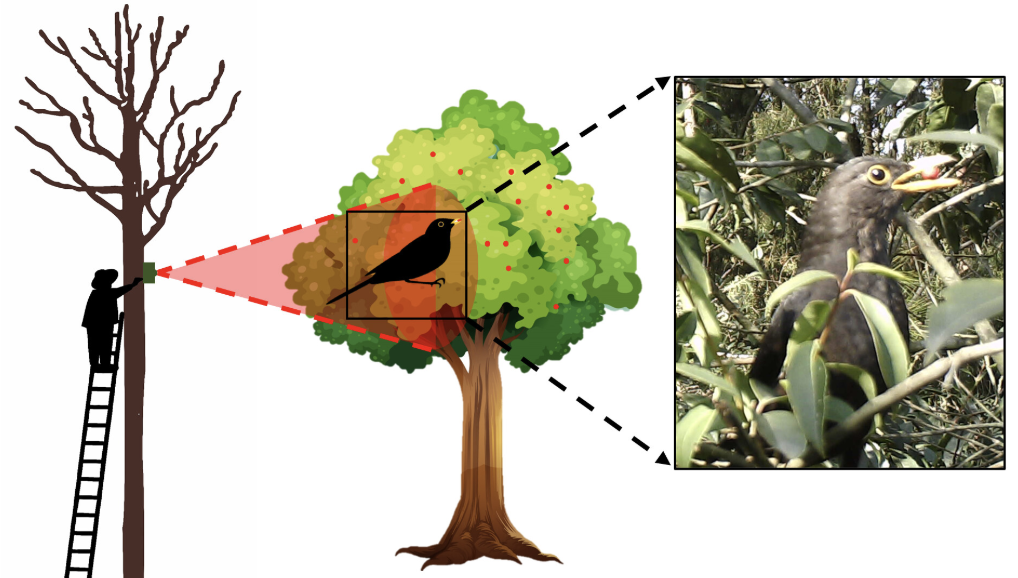
Zhu et al. (2025) on small, mobile avian frugivores connecting fragmented forest
January 2026 Updates
Featured Paper of the Month:
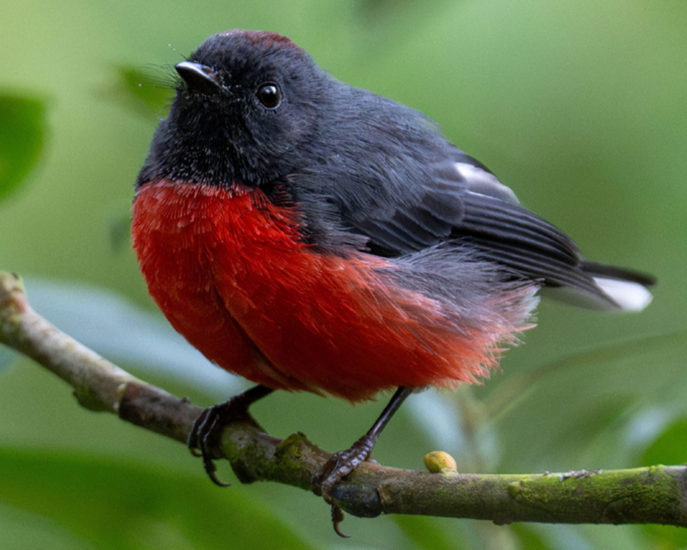
First Record of the Slate-throated Redstart for California
Photo documentation of California’s first Slate-throated Redstart (Myioborus miniatus) in San Francisco.
Photo credit: Henry Chiu
Dominik Mosur and SOAR member Marty Freeland detail the occurrence of a Slate-throated Redstart (Myioborus miniatus) in an urban park in San Francisco from 29 July to 16 September 2024, establishing the first record for California and the northernmost for the species. The bird showed characters of the northern subspecies, M. m. miniatus. It may have reached this site as a late spring overshoot or possibly via a molt migration. This represents the 47th species of wood-warbler (Parulidae) recorded in California, and—remarkably—the 46th for San Francisco County.
Research from the SOAR Network
Here, we’ve compiled recent papers published by SOAR-affiliated researchers. Click on the dark blue buttons to read each publication!
Tattoni et al. (2025) on long-term passerine moult phenology in a Mediterranean climate
León-Osper et al. (2025) on red floral UV pigments attracting birds and deterring bees
Haile et al. (2025) on Western Snowy Plover breeding dispersal post-nest failure
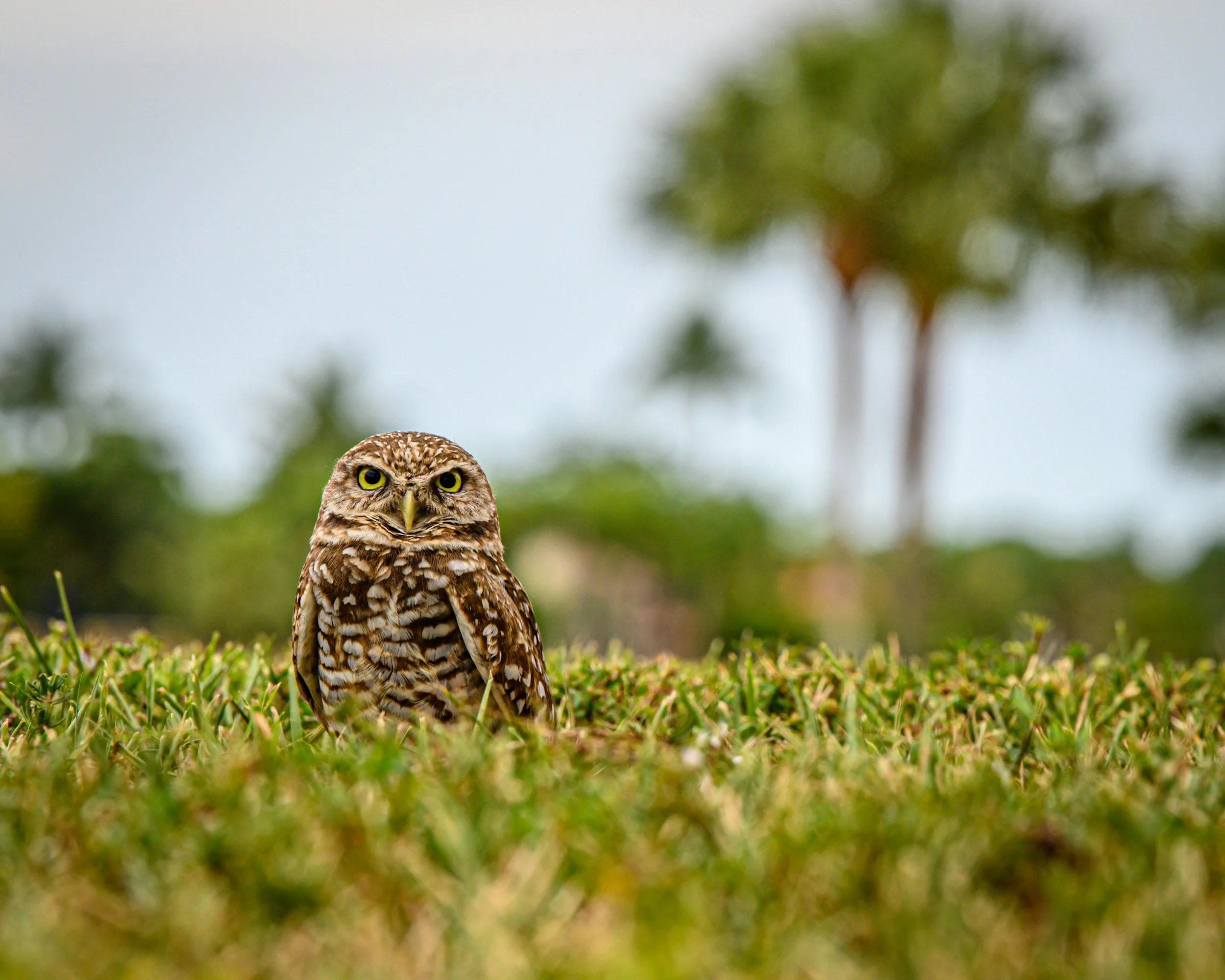
Trulio et al. (2025) on mate and site fidelity in Santa Clara's Burrowing Owls (Athene cunicularia)
Exciting New Research on California Birds
SOAR is just one of many initiatives in California conducting amazing studies about our state’s birds. Click the buttons to read each publication!
Ray et al. (2025) on fire boosting arboreal avian populations in the Sierra Nevada
Hartman et al. (2025) on habitat factors informing the success of the California Waterbird Habitat Program
Clapp et al. (2025) on the impact of introduced trout on the Sierra Nevada bird community
Hillier-Weltman et al. (2025) on native shrub density impacts on bird communities in California's southern drylands
New Bird Research Across the Globe!
Amazing ornithological research is published every day by research teams across the world. Click on the dark blue button to read each publication!
Sierra-Morales et al. (2025) on Short-crested Coquettes
Nordmann et al. (2025) on magnetic sensing in pigeon brains
Zhu et al. (2025) on small, mobile avian frugivores connecting fragmented forest
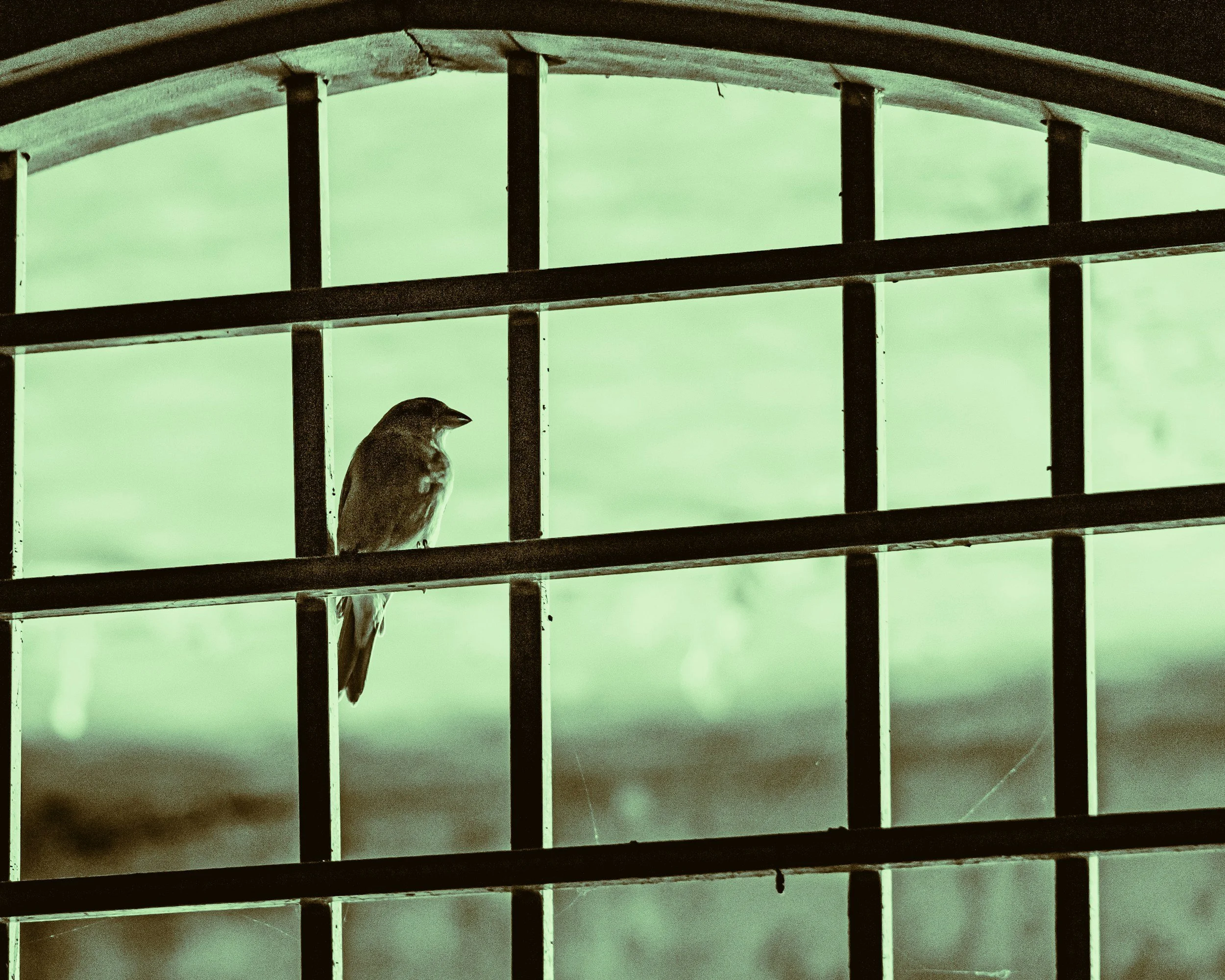
Gómez-Martínez and MacGregor-Fors (2025) on a century of bird window strikes